Daily Practice Method
The Branelos methodology documents how content is sourced, reviewed, structured, and updated across the platform. It covers research selection criteria, the contributor review process, sourcing verification, and the editorial standards that govern what appears in the journal.
Research Identification
Topic selection draws from three inputs: reader inquiry volume logged over the previous quarter, published nutritional and exercise science updates from indexed journals, and contributor field observations submitted by the Branelos writer network. All three channels are reviewed at the start of each quarterly planning cycle.
Source Verification
Each article requires a minimum of two primary sources. Sources are evaluated against the following criteria: peer-reviewed publication in a recognised nutrition, physiology, or sports science journal; date of publication within ten years unless the study remains the most cited reference in its field; and absence of commercial funding conflicts disclosed in the study's competing interests statement.
Contributor Review
Draft articles produced by contributing writers are passed to the editorial coordinator for a factual accuracy review. This review checks that all claims can be traced directly to cited sources, that the language does not overstate the strength of available evidence, and that the practical guidance contained in the article aligns with the source material's scope and limitations.
Publication and Archiving
Approved articles are published with a date stamp, contributor byline, and source citations. The article is simultaneously entered into the platform's annual review schedule. At each review point, the editorial coordinator checks whether the primary sources remain current. Articles requiring substantive revision are updated in place with a revision note; articles that cannot be responsibly maintained are archived.

Where Branelos Research Originates
The platform draws from four primary research source categories. Each category is governed by a defined access and citation standard. This framework exists to ensure that guidance published on the platform can be traced back to verifiable, publicly accessible research rather than proprietary claims or unattributed assertions.

Indexed Academic Journals
Peer-reviewed publications indexed in PubMed, Scopus, or the Directory of Open Access Journals. Citation format follows the Vancouver standard. Where a study is behind a paywall, the abstract and publicly available supplementary materials are used; the full citation is included regardless.
Recognised Nutrition Guidance Bodies
Published guidance from internationally recognised nutritional bodies — including the European Food Safety Authority and the Indonesian Ministry of Health's nutrition reference values. These sources are regarded as reference points rather than authoritative directives; the editorial team notes where national guidance diverges from international consensus.
Practitioner Field Documentation
Structured self-reporting and field notes submitted by contributors with documented practitioner experience. These sources are categorised separately from academic references and are clearly identified as practitioner accounts rather than primary research. They are used to illustrate practical application of existing evidence, not to establish new claims.
Reader Inquiry Data
Anonymised aggregates of reader questions submitted through the platform's contact form are used to identify knowledge gaps in the existing content library. Inquiry data informs topic selection only — it is not used as an evidence source within articles. All inquiry data is retained for no longer than six months and is not linked to identifiable reader profiles.

Article Accuracy Checks
Ingredient profiles in Branelos nutritional content are selected based on published nutritional research and undergo independent batch verification for quality and labelling accuracy. Articles referencing specific nutritional values are cross-checked against the source's reported data before publication.

Disclosure and Conflict Review
Each contributing writer submits a disclosure statement prior to publication of their first article. The statement covers commercial arrangements with supplement brands, financial interests in wellness products, and any professional affiliations that may constitute a conflict of interest relative to the article's subject matter.
Content Traceability Record
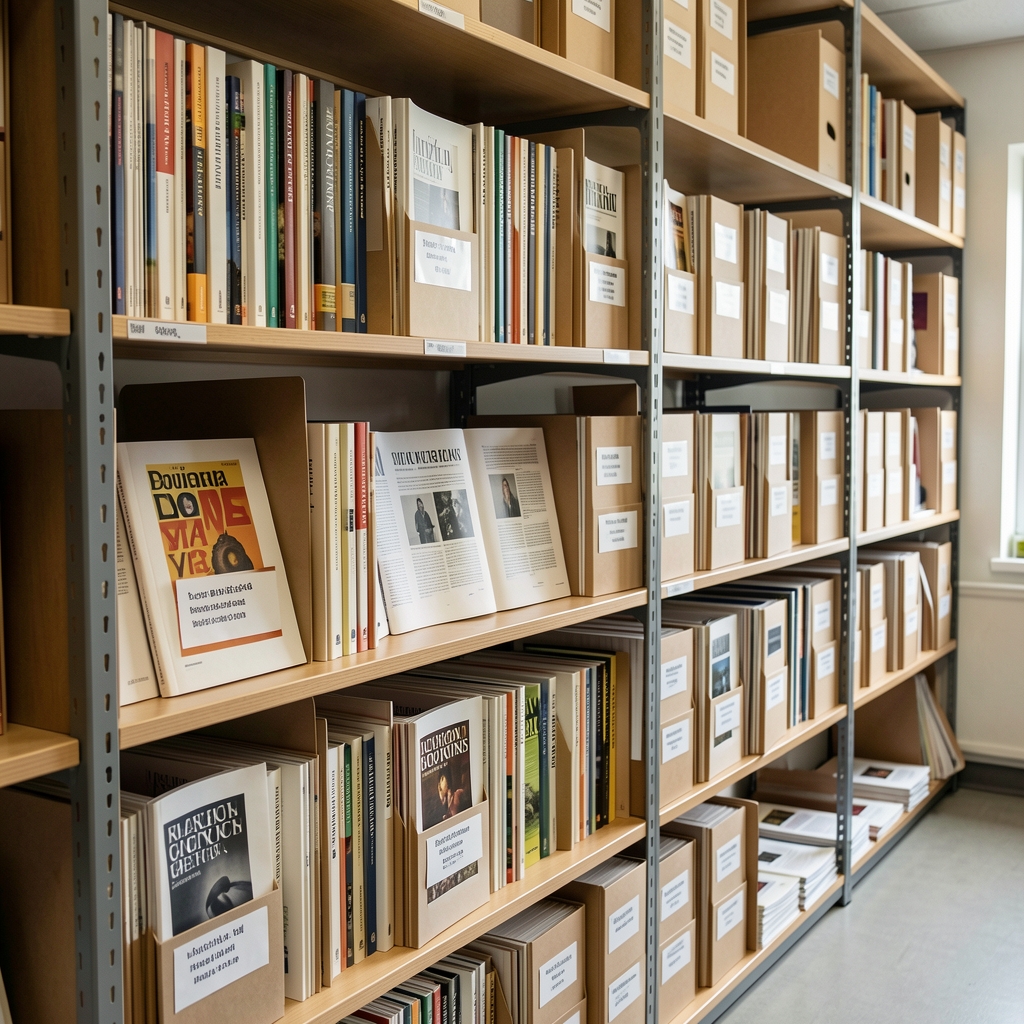
The editorial log maintains a version record for each article. Version records include the original submission date, the names of contributing writer and reviewing coordinator, the sources cited at the time of publication, and all subsequent revision entries with dates and rationale. Traceability documentation is retained for a minimum of five years.
How Branelos Covers Nutritional Supplements
Active ingredients referenced in Branelos content are sourced from documented suppliers, with each batch accompanied by a certificate of composition. Sourcing prioritises suppliers whose facilities maintain food-grade processing standards.
The platform does not endorse specific supplement products. Where an article references a supplement category — zinc, magnesium, Vitamin D3, or similar — the content covers the published nutritional role of that compound rather than advocating for a specific commercial formulation.
Safe role descriptions used in Branelos content follow the framework established by the European Food Safety Authority's nutrient profile guidance. Examples include: zinc is noted as supporting normal cognitive function and immune health; magnesium is noted as contributing to normal energy metabolism and reducing tiredness; Vitamin D3 is noted as supporting normal function of the immune system.
Branelos is an independent wellness resource focused on everyday nutrition and active lifestyle practices for men. The content is not affiliated with any governmental or institutional body.
Supports normal cognitive function and immune health. Referenced in articles covering daily nutrition awareness and active recovery frameworks.
Contributes to normal energy metabolism and the reduction of tiredness. Covered in sleep quality and stress management program content.
Supports normal function of the immune system. Particularly relevant in the Indonesian context given indoor working patterns and variable sun exposure in urban environments.
Contributes to normal energy production. Covered within the balanced plate guidance program in the context of whole-food sourcing and lean eating frameworks.
What Editorial Independence Means at Branelos
No supplement brand affiliations
Branelos has no affiliate arrangements with nutritional supplement brands. No compensation is received for ingredient mentions, product coverage, or reader referrals to supplement retailers. This is a standing editorial policy, not a conditional arrangement.
Advertising segregation
Where display advertising from non-supplement wellness brands appears on the platform, it is visually segregated from editorial content and labelled as advertising. Advertiser relationships do not influence editorial topic selection, content framing, or source selection decisions.
Open corrections channel
Readers may submit factual corrections through the contact form. Substantiated corrections are processed within five business days and reflected in the published article with an in-text correction note and date. The public corrections register is updated monthly.
Scope disclosure on every page
Each article that covers a specific wellness practice or nutritional compound includes a scope note clarifying that the content is informational in nature. We recommend speaking with a qualified wellness or nutrition professional before introducing any supplement to your daily routine, particularly if you have specific dietary requirements.
Methodology FAQ
The majority of primary research in nutritional science and exercise physiology is published in English. Publishing in the same language as the source material reduces the risk of translation errors in the representation of research findings. The platform's readership is primarily English-reading Indonesian men in professional environments.
Where the published evidence on a topic is contested, the editorial policy is to represent the conflict accurately rather than to resolve it artificially. Articles covering contested areas note the existence of divergent findings, cite the principal studies on each side, and characterise the current state of the evidence as unresolved. The platform does not take sides in active research debates.
Reader topic suggestions are submitted through the contact form using the subject line "Topic Suggestion". Suggestions are reviewed at the start of each quarterly planning cycle and are incorporated into the content calendar where they meet the platform's sourcing criteria. All topic suggestions are anonymised before the editorial team reviews them.
Retraction Watch and Crossref Retraction data are checked quarterly as part of the content review cycle. Where a cited study has been retracted, the affected article is immediately flagged, removed from active circulation, and either updated with a replacement source or archived. A retraction note is added to the article in both cases and retained in the editorial log.
AI writing tools are not used in the production of editorial content at Branelos. All articles are written by the editorial team or by named contributors and pass through the standard review process described on this page. The platform does use AI-assisted tools for administrative tasks such as keyword research and content scheduling — these do not affect editorial output.